


Fermented Korean Jeju Black Tea
Rebalance your Metal Element
It feels like deepest darkest Winter here in Scotland at the moment but technically it's still Autumn (even if there only days left..). Autumn, associated with the Metal element in Traditional Chinese Medicine (TCM), is a season of reflection, release, and preparation. As nature transitions, shedding leaves and embracing stillness, the Metal element embodies clarity, organisation, and refinement.
It governs the lungs and large intestine, symbolising both the intake of vital energy (breath) and the release of what no longer serves us. This season encourages inward focus, letting go of emotional and physical burdens, and fostering a sense of gratitude. The crispness of autumn air aligns with Metal's qualities, inspiring clarity of thought and strengthening resilience against the colder months ahead.
Controlling cycle
The Fire element controls the Metal element of Autumn. In the Tea Mind System and Traditional Chinese Medicine, that means drinking more black teas may help to control the Metal element so you can stay connected to yourself and others, appreciate the good things in your life and let go of what is no longer serving you.
Have you tried Korean tea yet?
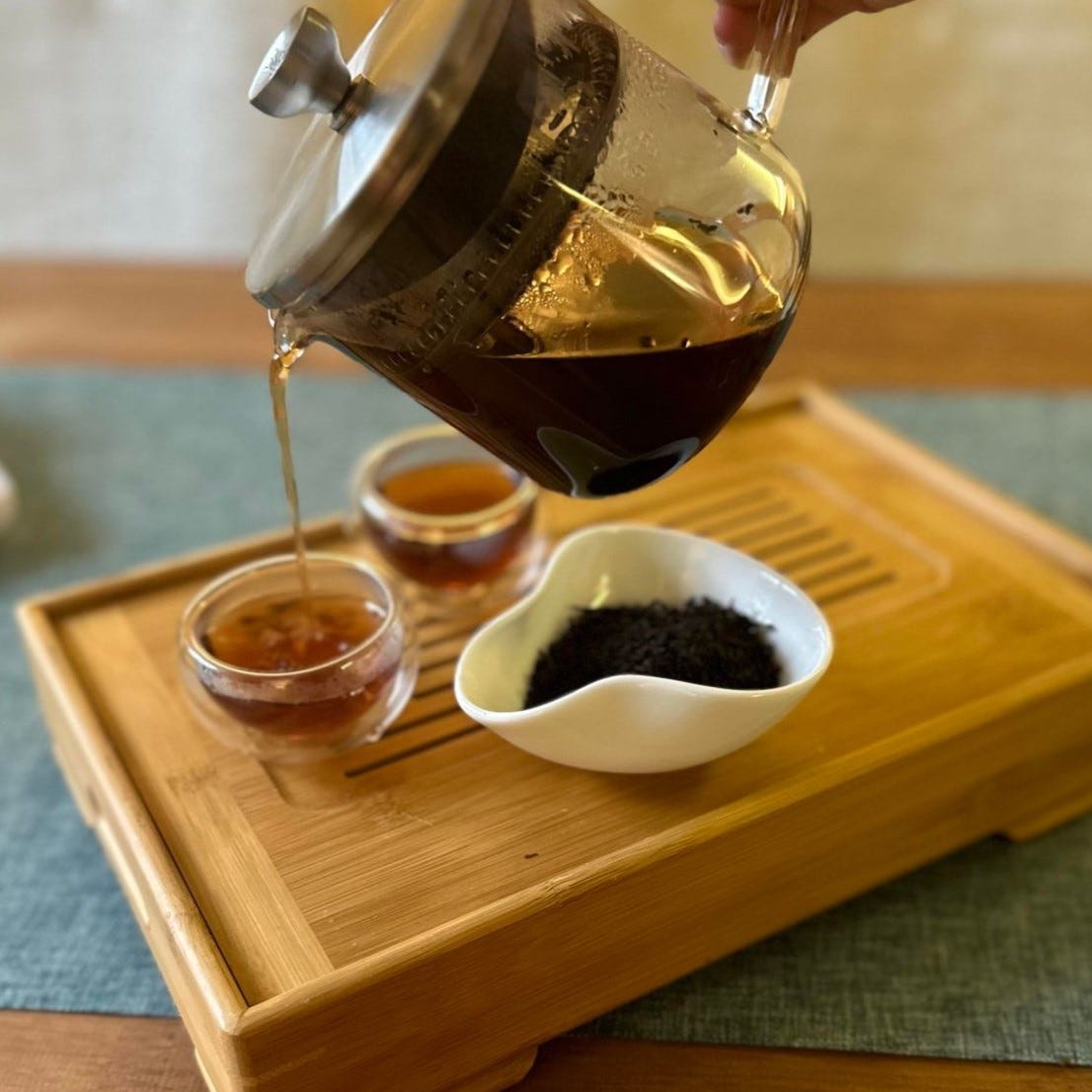
This month, I'm brewing a fermented Jeju black tea from Korea. Tea was introduced in Korea from China during the Three Kingdoms period (57 BCE–668 CE) and is a key part of Buddhist rituals and royal ceremonies. Regional specialities, like Fermented Jeju black tea (from Jeju Island in South Korea) are playing their part in reviving tea culture by blending heritage with modern tastes.
The island this tea is grown on has a unique climate with fertile volcanic soils, and by using innovative fermentation techniques the tea the liquor has a rich flavour profile, deep aroma, and numerous reported health benefits.
Cultivation and Origin
Jeju Island provides ideal growing conditions for tea. Its volcanic soil is highly mineral-rich, while the subtropical climate, with balanced rainfall and humidity, nurtures lush tea plants. The region's high altitudes also contribute to the slow growth of tea leaves, enhancing their nutrient density and complex flavour profiles.
Production Process Fermented black tea involves a two-step process:
Oxidation: Once plucked, tea leaves undergo withering and rolling to initiate enzymatic reactions that create the tea’s distinct black hue and bold taste.
Fermentation: The tea is subjected to controlled fermentation, often incorporating beneficial microbes like Aspergillus niger or Saccharomyces cerevisiae. This process enhances the tea’s bioactive compounds, creating unique layers of flavour and improving its health-promoting properties.
The extended fermentation process imparts the tea with a distinctive earthy, mildly sweet, and umami-rich profile while reducing bitterness and astringency.
Flavour Profile
Jeju fermented black tea stands out for its:
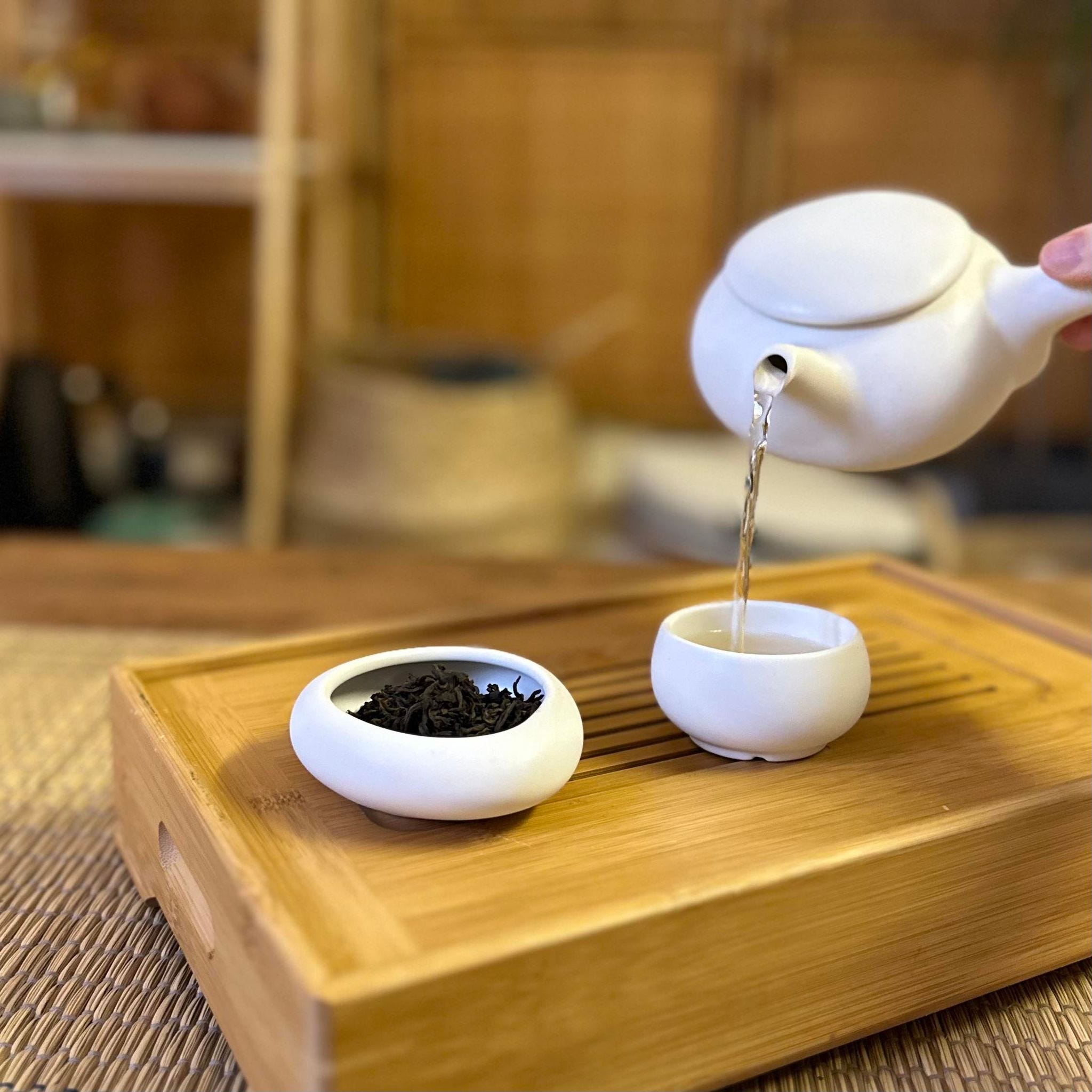
Dry Leaf: A dark curled and twisted whole leaf with a deep woody, earthy smell.
Wet Leaf: Earthy & savoury notes opening up to sweeter and nuttier notes as it cools.
Liquor: A smooth and velvety texture with a lingering aftertaste, often described as slightly nutty or woody.
Taste: A harmony of lively malty, earthy, and subtly aromatic sweet flavours. A deep, roasted fragrance with hints of sea breeze and floral undertones, reflecting Jeju's natural surroundings.
Health Benefits
Fermentation reportedly enhances the bioavailability of antioxidants and polyphenols in black tea, making it a healthful beverage choice:
Antioxidants: Some studies have shown that tea's catechins and theaflavins may combat oxidative stress, promoting cellular health.
Gut Health Support: Beneficial microbes in fermented tea may aid digestion and contribute to a balanced gut microbiome.
Cardiovascular Benefits: Some studies suggest regular consumption of black tea may improve heart health by reducing cholesterol levels and regulating blood pressure.
Mental Wellness: The moderate caffeine content provides a gentle energy boost which apparently can improve mental focus without causing jitters.
Weight Management: There is some evidence to suggest the polyphenols in tea may assist in fat metabolism.
Get brewing
It pairs well with citrus peels or ginger for a zesty boost or can be used for kombucha or tea lattes to add a contemporary twist. It’s a great tea to use for a 3 minutes tea routine or a tea meditation because it can be infused a number of times. Let me know what you think.
Happy brewing, Erica